centaronline.org
 politeia.institute
 crnonabelo.com





20th meeting of the EU-Serbia Joint Consultative Committee
Adopted JCC Joint Declaration
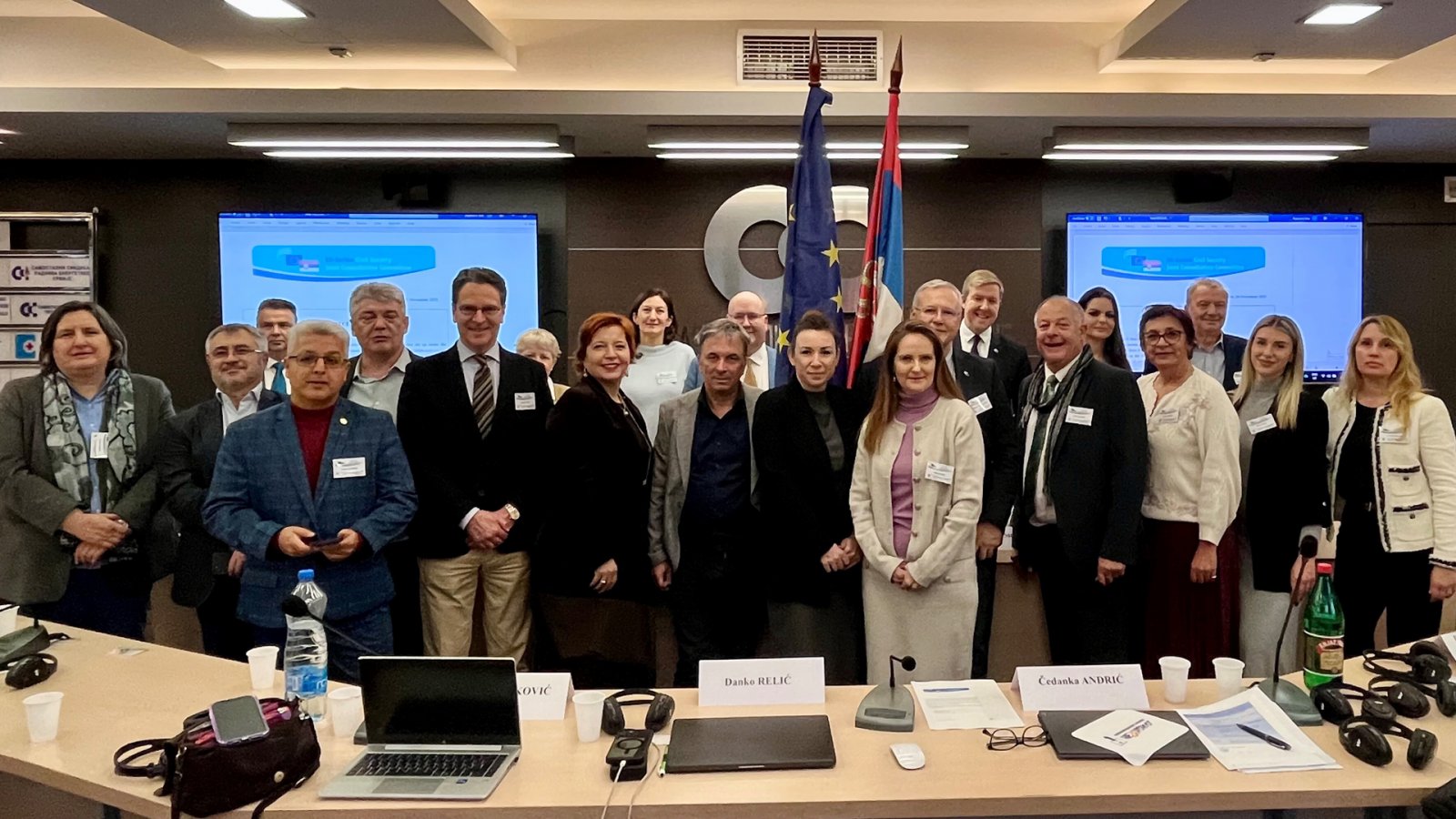
The EU–Serbia Joint Consultative Committee (JCC) held its twentieth meeting on 28 November 2025 in Belgrade, Serbia, with the participation of representatives of state institutions, civil society organisations, trade unions, and the European Economic and Social Committee (EESC).
Established within the institutional framework of the EU–Serbia Stabilisation and Association Agreement (SAA), this platform provides an opportunity for representatives of both the European Union and Serbian civil society to monitor the country’s accession negotiations, exchange views on matters of mutual interest, and raise concerns to be addressed on Serbia’s path towards EU membership.
The principal topics for discussion at the twentieth meeting of the EU–Serbia JCC included:
- Current state of play in EU-Serbia relations, the accession process and the findings of the Serbia Report 2025
- Strategic Foresight for EU-Serbia Relations
- Security, Democracy, and Media in Serbia
- Overview of the civil society and social dialogue situation and rule of law in Serbia
The Secretary General of the Center for Democracy Foundation, Nataša Vučković, participated in the meeting of the EU–Serbia Joint Consultative Committee (JCC).
Joint declaration was adopted after the meeting.
In the declaration, among other points, the JCC reiterates its call on the authorities to accelerate the implementation of the Action Plan for Chapter 19 – Social Policy and Employment, noting that significant reforms are still pending, including labour legislation reform, improvements in social protection, and the development of active employment policies.

***
The EU-Serbia Civil Society Joint Consultative Committee (JCC)
The EU-Serbia Civil Society Joint Consultative Committee (JCC) is one of the bodies set up under the Stabilisation and Association Agreement between the European Union and Serbia.
The JCC enables civil society organisations (CSOs) from both sides to monitor Serbia's progress towards the European Union, and to adopt recommendations for the attention of the government of Serbia and the EU institutions.
The JCC understands the notion of civil society as encompassing organisations of employers, trade unions and other economic, social and civic interests.
Source: EESC, CDF
Photo credit: EESC
EVENTS
HIGHLIGHTS
2025-11-19 | Belgrade, Sarajevo, Tirana, Skopje, Pristina
REGIONAL CONFERENCE Western Balkan Youth and the European Union: Shaping Our Common Future
CURRENT PROJECTS


PUBLICATIONS
 NCEU Book of Recommendations 2025
 Challenges for Organising and Collective Bargaining in Care, Administration and Waste collection sectors in Central Eastern European Countries
 Public Policy Proposals – Collective Bargaining (CEECAW)
 CDF in Cities and Municipalities: Together for a Better Life in Local Communities
 Comparative reports on collective bargaining - CEECAW
 POLITEIA – Regional School for Youth Participation 2025 (leaflet)
 Report on the State of Labour Rights in the Republic of Serbia in 2024
 Unlocking Collective Bargaining Power in Three Sectors: A Call to Action
 Main Issues of Labor Legislation in Serbia
 New Monitoring Report by the “SDGs for All” Platform: Is the End Goal in Sight?
 NCEU Book of Recommendations 2024 (Summary)
 National reports on collective bargaining in Serbia - CEECAW
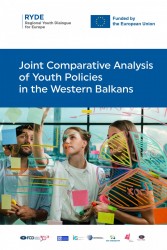 The Comparative Analysis of Youth Policies in the Western Balkans (WB)
 Unlocking Collective Bargaining Power in Three Sectors: A Call to Action
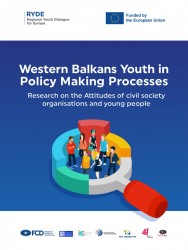 Western Balkans Youth in Policy Making Processes
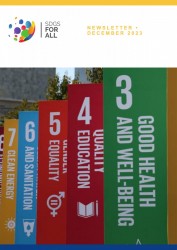 SDGs for All Platform newsletter (December 2023)
 Analysis: Poverty Reduction Through Sustainable Agriculture in Serbia (with Summary)
 Serbia 2030 - Many challenges, little time: Is Serbia set on its development path?